
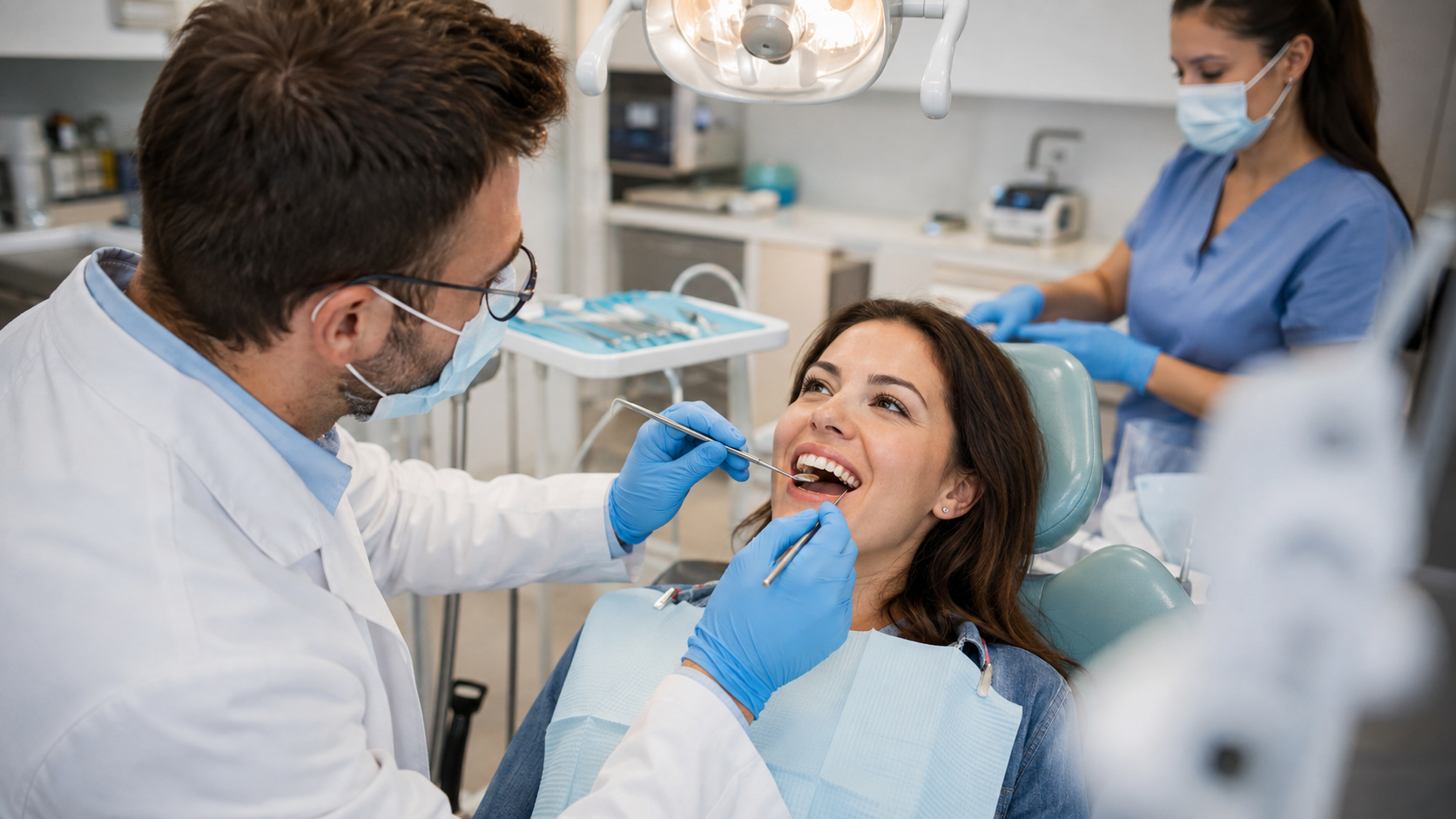
Missing teeth can affect much more than appearance. They may make it harder to enjoy certain foods, speak clearly, or feel comfortable in social situations. Fortunately, today’s dentures offer several ways to restore a more complete, natural-looking smile.
For people researching dentures in Roswell, NM, understanding the available choices is an important first step. Dentures are not one-size-fits-all appliances. The right design depends on how many teeth are missing, the health of the mouth, personal preferences, and whether dental implants are appropriate.
This article provides general educational information and is not a diagnosis or a substitute for care from a qualified dentist. A dental examination is necessary to determine which tooth-replacement option is suitable for an individual patient.
What Are Dentures?
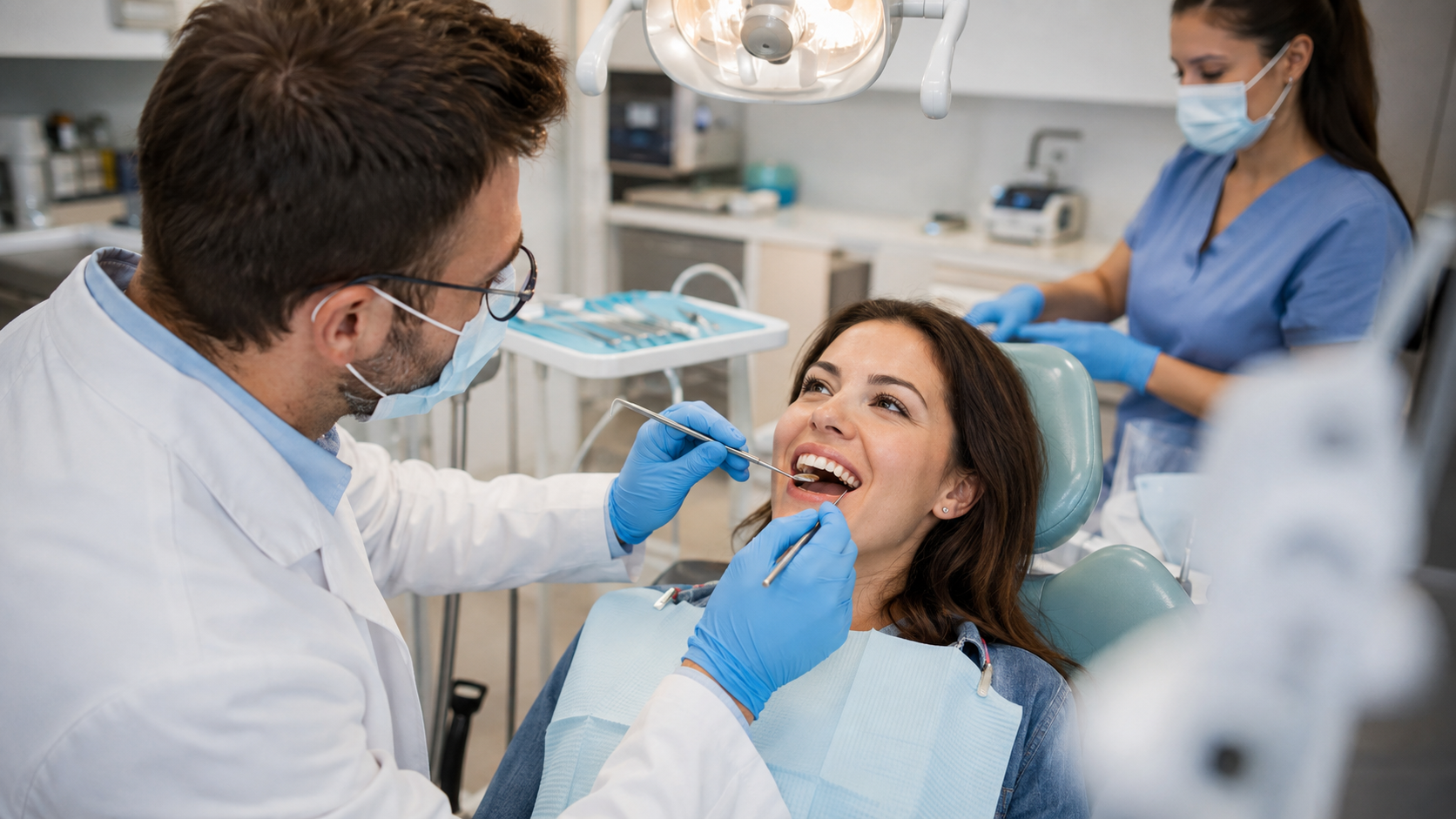
Dentures are removable dental appliances designed to replace missing teeth and some of the surrounding gum tissue. Depending on the type, they may replace every tooth in an arch or fill spaces left by several missing teeth.
Modern dentures are created with attention to fit, function, and appearance. The teeth and gum-colored base can be customized to complement a patient’s facial features and remaining natural teeth. Although dentures do not feel exactly like natural teeth, a carefully planned appliance can help make eating, speaking, and smiling more comfortable.
A dentist must also look beyond the visible gaps. The condition of the gums, remaining teeth, bite, and supporting jawbone can all influence the treatment plan.
Types of Dentures Available
Several denture designs are available. A consultation helps clarify the benefits and limitations of each one.
Complete Dentures
Complete, or full, dentures replace all teeth in the upper arch, lower arch, or both. They rest on the gum tissue and are shaped to fit the contours of the mouth.
An upper denture usually covers part of the roof of the mouth, while a lower denture is shaped around the tongue. Because the lower arch has less surface area for support, lower dentures may require additional attention to fit and stability.
Partial Dentures
Partial dentures may be considered when a patient still has healthy natural teeth. The appliance fills the open spaces and typically uses the remaining teeth for support.
Depending on the design, a partial denture may include a metal framework, tooth-colored or gum-colored components, or flexible materials. The best choice depends on the location of the missing teeth, bite forces, appearance goals, and condition of the supporting teeth.
Immediate Dentures
Immediate dentures are placed after selected teeth are removed, allowing a patient to avoid going without teeth during the initial healing period. They can support appearance and function while the tissues recover.
However, the mouth changes shape as swelling decreases and extraction sites heal. For that reason, an immediate denture may need adjustments, a reline, or eventual replacement. The dentist should explain these potential follow-up needs before treatment begins.
Implant-Supported Dentures
Implant-supported dentures connect to dental implants placed in the jawbone. Depending on the treatment design, the restoration may be removable by the patient or fixed in place and removed only by a dental professional.
Implants can provide added support, but they are not appropriate for everyone. The dentist considers bone availability, gum health, medical history, oral hygiene, and other individual factors before recommending implant treatment.
Dental implant treatment also involves several distinct stages. Early symptom recovery after surgery is different from soft-tissue healing. Both are separate from osseointegration, the biological process through which an implant becomes anchored in the surrounding bone. Completion of the final denture or restoration is another stage and depends on clinical stability and the treatment plan. Patients should follow the personalized timeline provided by their dental team rather than assuming every phase will finish at the same time.
What to Expect During the Denture Process
The exact sequence varies, especially when extractions or implants are involved. A conventional denture process commonly includes the following steps.
Examination and Planning
The dentist examines the mouth and discusses the patient’s concerns, health history, daily routine, and expectations. Dental imaging or impressions may be recommended to evaluate the supporting structures and plan the appliance.
This appointment is a good opportunity to mention a strong gag reflex, dental anxiety, dexterity concerns, dry mouth, or difficulty caring for an existing denture. These details can affect treatment recommendations.
Records and Design
Measurements, scans, or impressions capture the shape of the mouth. The dental team also evaluates the bite and selects tooth characteristics that suit the patient’s smile. Trial stages may be used so that the bite and appearance can be reviewed before the denture is completed.
Placement and Adjustments
At delivery, the dentist checks the denture’s fit, bite, and appearance. Small adjustments may be needed as the patient begins wearing it. New dentures can initially feel unfamiliar, and the cheeks and tongue need time to adapt.
Persistent pain, sharp pressure, repeated slipping, or sores should not simply be ignored. Patients should contact the dental office for guidance rather than attempting to reshape the appliance at home.
Adjusting to New Dentures
A gradual approach can make the transition easier. Patients are often advised to begin with soft foods cut into small pieces and chew slowly on both sides. As confidence improves, foods with more texture can be introduced according to the dentist’s guidance.
Reading aloud can help a patient practice speaking with the new appliance. A temporary increase in saliva or a sense of fullness may occur while the mouth adapts. Follow-up visits allow the dentist to identify pressure areas and refine the fit when appropriate.
Denture adhesive may improve confidence for some people, but it should not be used to hide a poor fit. A denture that has become loose or uncomfortable deserves a professional evaluation.
How to Care for Dentures and the Mouth
Daily care helps control plaque, food debris, stains, and odors. It also gives the patient a chance to notice cracks or other changes.
- Clean the denture every day with a soft denture brush and a product recommended for denture materials.
- Avoid using abrasive household cleaners or very hot water, which may damage or distort the appliance.
- Handle the denture over a folded towel or basin of water to reduce the chance of breakage if it is dropped.
- Clean the gums, tongue, and roof of the mouth gently, even when no natural teeth remain.
- Brush and floss any remaining natural teeth carefully, including around partial-denture supports.
- Follow the dentist’s instructions regarding overnight removal and storage.
Regular dental visits still matter after tooth loss. A dentist can examine the oral tissues, assess the bite, check remaining teeth, and look for changes that may affect the fit of the appliance.
When Does a Denture Need Professional Attention?
The mouth can change over time, so a denture that once fit comfortably may eventually feel different. An evaluation is recommended when a denture becomes loose, causes recurring sore areas, clicks during speech, makes chewing increasingly difficult, or shows visible damage.
A dentist may recommend an adjustment, repair, reline, or replacement depending on the condition of the appliance and mouth. Patients should not use household glue or a do-it-yourself repair kit, because these can damage the denture and complicate professional repair.
Prompt care is especially important for severe or increasing pain, swelling, uncontrolled bleeding, fever, difficulty swallowing, or difficulty breathing. Urgent or emergency medical attention may be appropriate depending on the symptoms.
How Much Do Dentures Cost in Roswell, NM?
Denture fees vary because treatment plans are individualized. Cost may be influenced by the type of denture, materials, number of arches treated, condition of the remaining teeth, need for extractions, laboratory work, follow-up care, and whether implants are included.
Patients should request a written estimate that explains what is included. Helpful questions include whether the fee covers adjustments, temporary appliances, relines, extractions, implant components, and the final restoration. Dental insurance benefits and financing arrangements also vary, so the dental office can help patients understand the options that apply to their plan.
Frequently Asked Questions About Dentures
Will dentures look natural?
Dentures can be customized for tooth shape, shade, position, and gum color. Results vary according to the patient’s anatomy and treatment needs, but sharing appearance preferences with the dentist helps guide the design.
Can a person eat normally with dentures?
Dentures can improve chewing after tooth loss, but learning to use them takes practice. Patients usually start with manageable foods and expand their diet gradually. Some hard, sticky, or difficult-to-chew foods may remain challenging.
Should dentures be worn while sleeping?
Patients should follow their dentist’s instructions. In many cases, removing a removable denture overnight gives the supporting tissues a break and creates an opportunity to clean the appliance. Individual recommendations may differ after extractions or other procedures.
Are dental implants required for dentures?
No. Conventional full and partial dentures do not require implants. Implants are one option for increasing support or creating a different restoration design when a patient is an appropriate candidate.
How long do dentures last?
There is no single replacement schedule for every patient. Wear, damage, changes in the gums or jaw, and alterations in the bite can affect how long an appliance remains serviceable. Routine evaluations help determine when adjustment or replacement is appropriate.
What if a patient feels nervous about denture treatment?
The patient should tell the dental team before treatment begins. Clear explanations, breaks, a gradual approach, and available comfort options may make visits feel more manageable. Carabelli Dental notes a focus on patient comfort and offers comprehensive dental care in Roswell.
Explore Denture Options in Roswell
Replacing missing teeth is a personal decision, and the best solution should account for comfort, oral health, appearance, lifestyle, and budget. A thorough examination can help distinguish between complete dentures, partial dentures, immediate dentures, and implant-supported options.
Carabelli Dental provides denture care for patients in Roswell, NM. Those who are considering dentures, struggling with an older appliance, or wondering whether implants may be appropriate can schedule a consultation at the practice’s Roswell office. The team can answer questions, evaluate the mouth, and explain the next steps without assuming that one option fits everyone.