
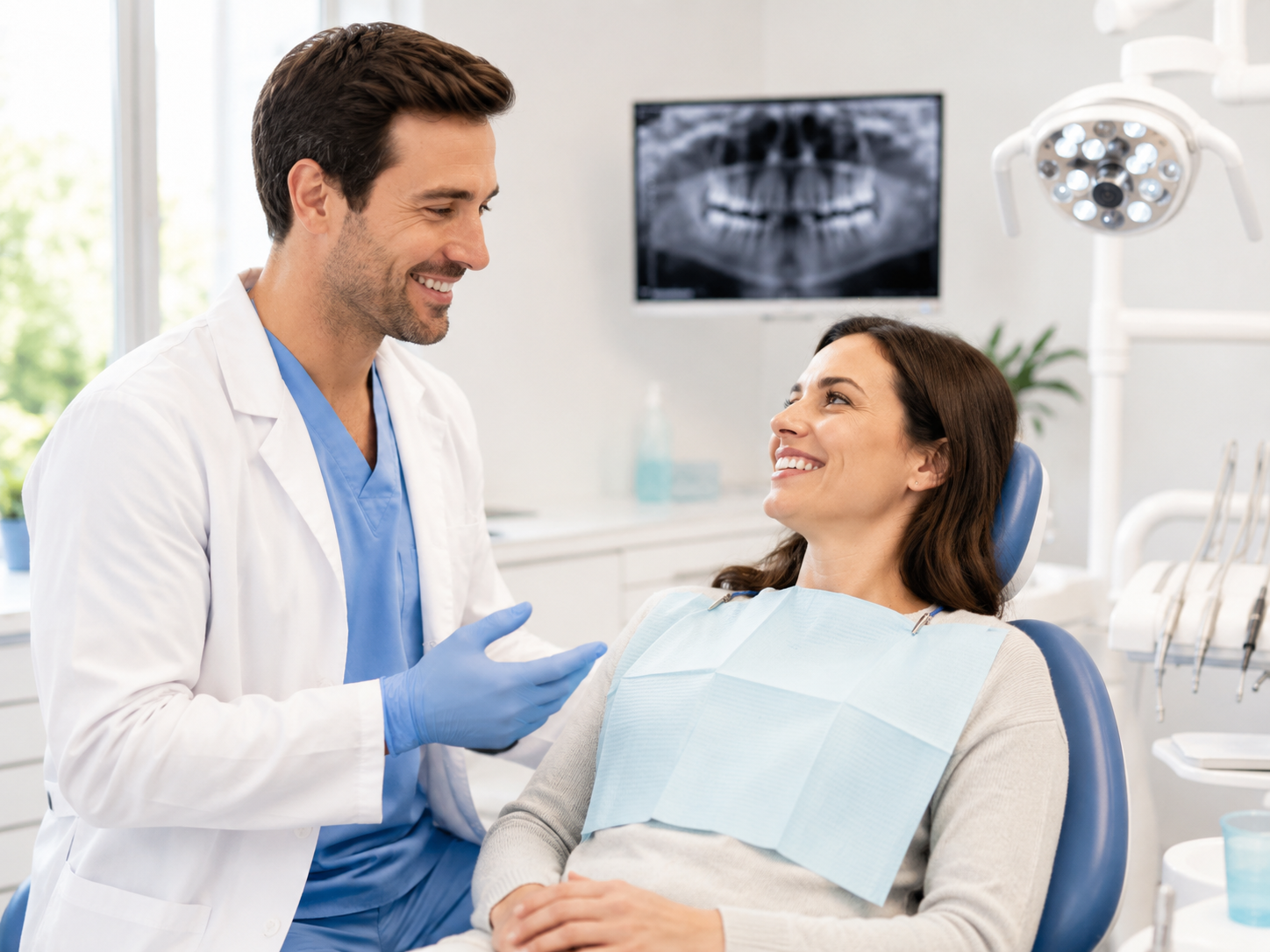
A missing tooth can affect much more than the appearance of a smile. It may make favorite foods harder to enjoy, change the way someone speaks, or leave them feeling self-conscious in social situations. Fortunately, modern dentistry offers several ways to replace missing teeth.
For patients researching dental implants in Roswell, NM, understanding the process can make the decision feel less overwhelming. Dental implants can replace one tooth, several teeth, or support a full-arch restoration. The right approach depends on the patient’s oral health, bone structure, goals, and budget.
This guide explains how implants work, what happens during treatment, and which questions patients should ask before moving forward.
This article provides general educational information and is not a diagnosis or a substitute for care from a qualified dental professional. A dentist must examine the mouth and review the patient’s health history to determine whether implant treatment is appropriate.
What Is a Dental Implant?
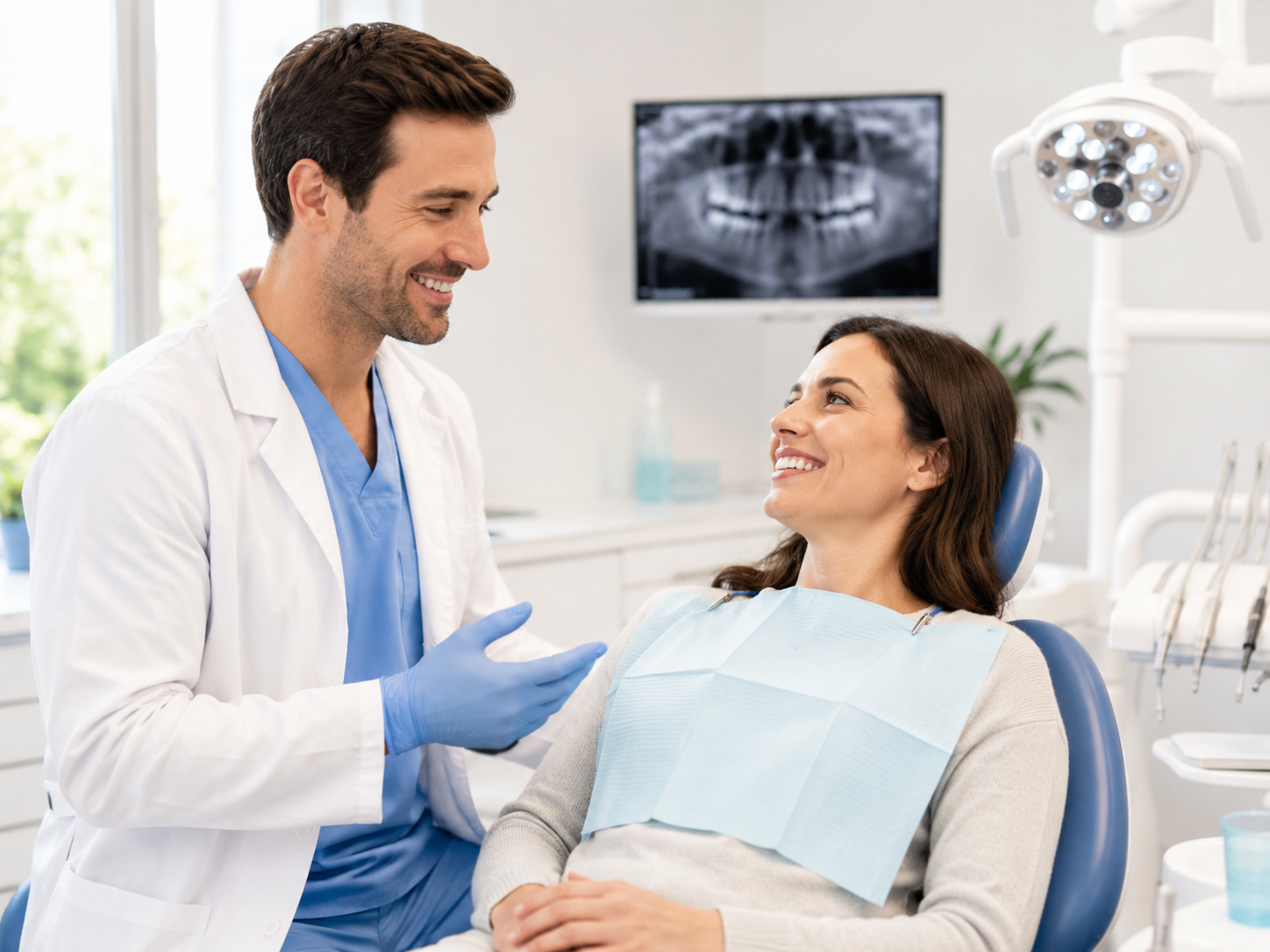
A dental implant is a small post placed in the jaw where a tooth root once sat. After the surrounding bone has healed around it, the implant can support a dental crown, bridge, or denture.
An implant restoration usually has three basic components:
- The implant post: The part positioned in the jawbone.
- The abutment: A connector between the implant and the visible restoration.
- The restoration: The crown, bridge, or denture that replaces the visible portion of the missing tooth or teeth.
Unlike a removable appliance that rests on the gums, an implant-supported restoration gains stability from the jaw. The healing process that creates a direct connection between living bone and an implant is called osseointegration.
What Can Dental Implants Replace?
Implant treatment is not limited to replacing a single tooth. Different designs can address several patterns of tooth loss.
A Single Missing Tooth
One implant may support a custom crown when a patient has lost an individual tooth. This approach can fill the space without requiring neighboring teeth to support a traditional bridge, although the dentist must determine which option best fits the situation.
Several Missing Teeth
When multiple neighboring teeth are absent, implants may support a bridge. Not every missing tooth necessarily requires its own implant. The number and position of implants depend on bite forces, available bone, anatomy, and the planned restoration.
A Full Arch of Missing or Failing Teeth
Strategically placed implants may support a removable implant-retained denture or a fixed full-arch restoration. These treatments differ in maintenance, design, cost, and whether the patient can remove the appliance at home. Carabelli Dental discusses options for single teeth, several teeth, and full-mouth restoration on its dental implant service page.
Who May Be a Candidate for Dental Implants?
Many adults with missing teeth may be considered for implants, but age alone does not determine candidacy. A dentist evaluates whether the mouth and overall health can support surgery and healing.
An implant evaluation may include a review of:
- The health of the gums and remaining teeth
- The amount and location of available jawbone
- The patient’s bite and tooth-replacement goals
- Current medications and previous procedures
- Medical conditions that could influence healing
- Tobacco use and daily oral hygiene habits
- The patient’s ability to attend follow-up visits
Having a medical condition does not automatically exclude someone from treatment. However, conditions that affect bone repair may require additional planning or coordination with the patient’s physician. Research on bone healing notes that systemic conditions such as diabetes and osteoporosis can influence regeneration and osseointegration, even though implant survival may remain favorable in appropriately controlled circumstances.
Some patients do not initially have enough bone in the desired area. Depending on the anatomy and treatment plan, the dentist may discuss bone grafting, an alternative implant position, or a different type of tooth replacement.
What to Expect During the Dental Implant Process
Implant care is a sequence of distinct stages rather than a single appointment. The schedule varies because every patient heals differently and some treatment plans require preparatory care.
1. Consultation and Planning
The process begins with an examination, health-history review, and dental imaging. The dentist studies the jaw, nearby teeth, gums, bite, and important anatomical structures. This information helps the team decide where an implant may be placed and what type of restoration it will support.
This is also the time for patients to discuss comfort concerns, previous dental experiences, expected fees, and alternatives to implants.
2. Preparatory Treatment, If Needed
A damaged tooth may need to be removed before implant placement. Gum treatment, bone grafting, or other care may also be recommended. Not every patient needs these steps, and their inclusion can change the overall treatment schedule.
3. Implant Placement
During placement, the dentist creates space in the jaw and positions the implant according to the treatment plan. Local anesthetic is commonly used to numb the area. Any additional comfort or sedation options depend on the patient’s health, anxiety level, procedure, and the services offered by the dental team.
4. Early Symptom Recovery
The first phase after surgery focuses on managing temporary symptoms and protecting the site. Tenderness, swelling, minor bleeding, or changes in eating may occur, but the experience varies. Patients should follow their own dentist’s instructions regarding food, cleaning, medication, activity, and warning signs.
Early symptom improvement does not mean that the implant has fully bonded with the jaw.
5. Soft-Tissue Healing
As initial symptoms settle, the gum tissue continues healing around the surgical area. Follow-up visits allow the dentist to check the tissue and make sure the site remains clean and stable. Soft-tissue healing is another separate phase and should not be confused with deeper bone integration.
6. Osseointegration
Osseointegration occurs below the gum as living bone forms a functional connection with the implant surface. This process generally takes longer than the initial recovery period. Its progress cannot be judged only by how comfortable the mouth feels, so the dentist decides when the implant is ready based on clinical findings and the treatment plan.
7. Final Restoration
Once the implant is considered ready, the team completes the restorative phase. This may involve scans or impressions, an abutment, and placement of the final crown, bridge, or denture.
The full treatment is not complete until the planned restoration has been delivered, the bite has been checked, and the patient understands home care. A temporary tooth may be available in some cases, but immediate loading is not appropriate for every implant.
Comfort, Risks, and Recovery
Many patients worry about whether implant treatment will hurt. The treatment area is numbed during surgery, and the dental team should discuss what the patient may feel afterward. Comfort varies with the complexity of the procedure, the number of implants, whether grafting is performed, and individual healing.
Like any surgical procedure, implant placement has potential risks. These may include infection, delayed healing, injury to nearby structures, bone defects, or failure of the implant to integrate. Published clinical literature also describes loss of osseointegration as a complication that may require removal of a loose implant and further treatment. These possibilities do not predict what will happen to a particular patient, but they show why careful planning and follow-up matter.
Patients should contact their dental office promptly if pain or swelling becomes worse instead of better, bleeding is difficult to control, fever develops, drainage appears, numbness persists unexpectedly, or an implant component feels loose. Urgent symptoms should receive prompt professional attention.
How to Care for Dental Implants
Dental implants cannot develop cavities, but the gums and bone around them can still become inflamed or infected. The restoration and remaining natural teeth also need ongoing care.
Long-term maintenance generally includes:
- Brushing carefully around the implant restoration
- Cleaning between teeth and beneath bridges as instructed
- Using implant-safe tools recommended by the dental team
- Attending professional cleanings and implant checks
- Avoiding the use of teeth to open packages or chew hard objects
- Reporting looseness, bleeding, swelling, or bite changes
No restoration can be guaranteed to last for a particular number of years. Oral hygiene, gum health, bite forces, general health, tobacco exposure, restoration design, and follow-up care can all influence long-term performance.
How Much Do Dental Implants Cost in Roswell, NM?
There is no single price for every implant case. A fee may depend on the number of implants, diagnostic imaging, extractions, grafting, sedation, abutments, temporary teeth, and the type of final restoration.
Patients comparing estimates should ask what each quote includes. A low advertised figure may cover only one portion of treatment rather than the complete restored tooth.
Dental insurance coverage also varies. Some plans contribute to parts of treatment while excluding others or applying annual limits. Carabelli Dental provides general financial and insurance information, but patients should request a personalized estimate and verify benefits before treatment.
Questions to Ask at an Implant Consultation
- What tooth-replacement options are appropriate for this case?
- Is there enough bone, or might grafting be recommended?
- Which parts of treatment will be completed at this office?
- Will a temporary tooth be available during healing?
- What comfort or sedation options may be appropriate?
- What does the written estimate include?
- How should the implant be cleaned after restoration?
- Which symptoms require a call to the office?
Frequently Asked Questions About Dental Implants
Are dental implants removable?
The implant post remains in the jaw. The teeth attached to implants may be fixed or removable, depending on the restoration. A dentist can explain whether a crown, bridge, removable denture, or fixed full-arch option fits the patient’s needs.
Can someone receive an implant immediately after an extraction?
Sometimes, but not always. The decision depends on infection, bone anatomy, tissue condition, implant stability, and the overall plan. Immediate placement should not be assumed before an examination.
What if a patient is nervous about implant surgery?
Patients should mention anxiety during the consultation. The team can explain each step, discuss breaks and local anesthetic, and determine whether additional comfort options are clinically appropriate.
Can dental implants replace dentures?
Implants may support either a removable denture or a fixed full-arch restoration. The best design depends on anatomy, cleaning ability, preferences, and budget.
How long does the full implant process take?
The schedule varies. Preparatory care, surgical recovery, soft-tissue healing, bone integration, and fabrication of the final restoration are separate phases. The dentist can provide a personalized estimate after evaluating the case.
Are implants the best choice for every missing tooth?
No. A traditional bridge, removable partial denture, full denture, or another approach may be more suitable in some circumstances. A good consultation should cover reasonable alternatives as well as implants.
Do dental implants require checkups?
Yes. Professional monitoring helps the dental team evaluate the gums, bone, bite, restoration, and home-care routine. An implant should not be treated as maintenance-free.
Explore Dental Implants in Roswell, NM
Choosing a tooth replacement is a personal decision, and patients deserve clear explanations without pressure. A well-planned consultation can clarify candidacy, alternatives, comfort options, likely treatment stages, and expected costs.
Carabelli Dental provides comprehensive dental care with a focus on patient comfort at its Roswell, NM practice. Anyone considering dental implants can contact the team to ask questions and schedule an individualized evaluation. That conversation is the best next step toward finding a solution that supports comfort, function, and confidence.