
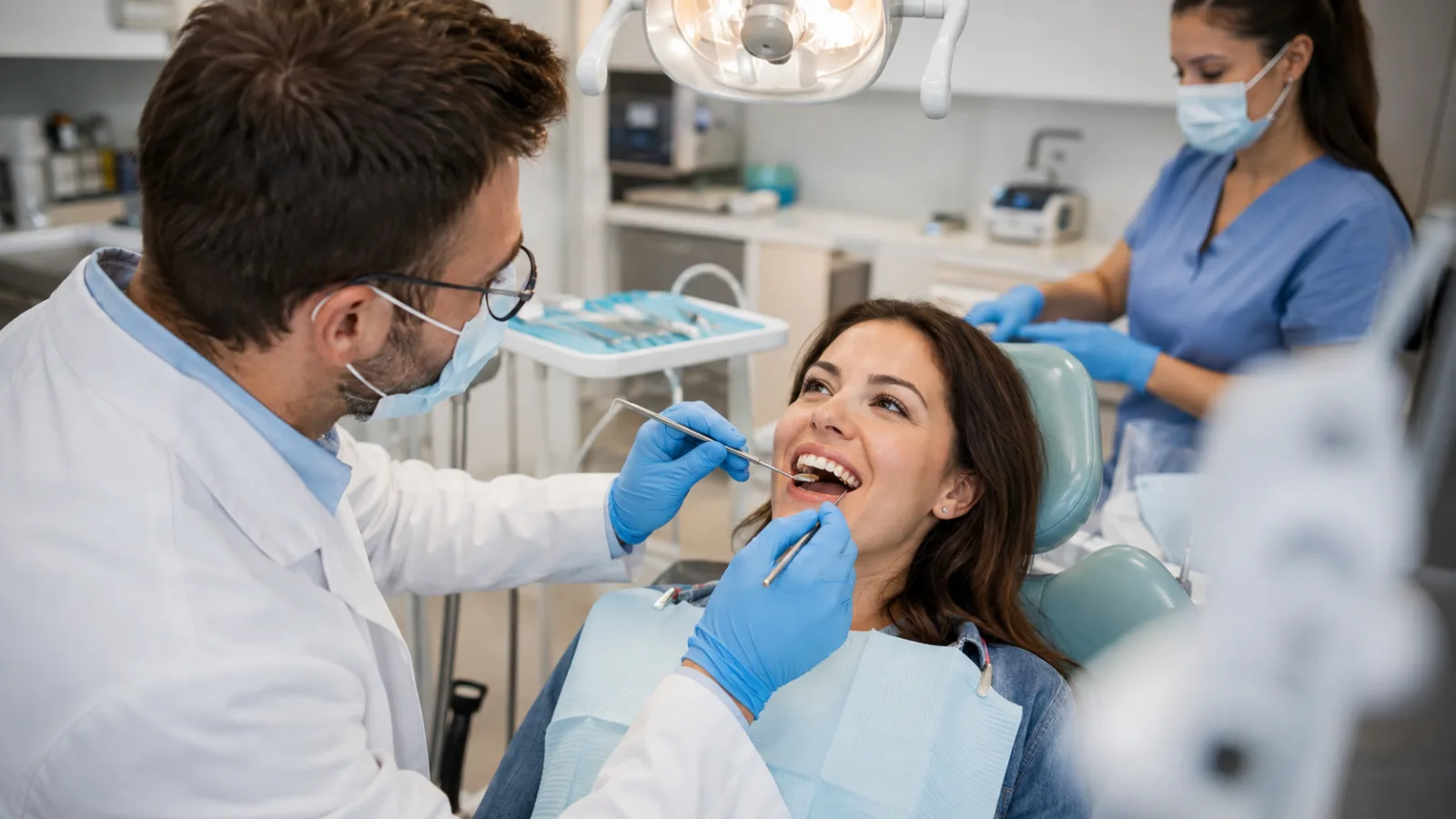
A damaged tooth does not always need to be removed. In many cases, a dental crown can restore the tooth’s shape, protect its remaining structure, and make everyday activities such as chewing and speaking more comfortable.
For patients considering dental crowns in Roswell, NM, understanding the process can make treatment feel much less intimidating. Crowns are common restorations, but each one must be carefully planned around the condition of the tooth, the patient’s bite, and the appearance of the surrounding smile.
Clinical note: This article provides general educational information and is not a diagnosis or a substitute for an examination by a licensed dentist. A dental professional can determine whether a crown or another treatment is appropriate.
What Is a Dental Crown?
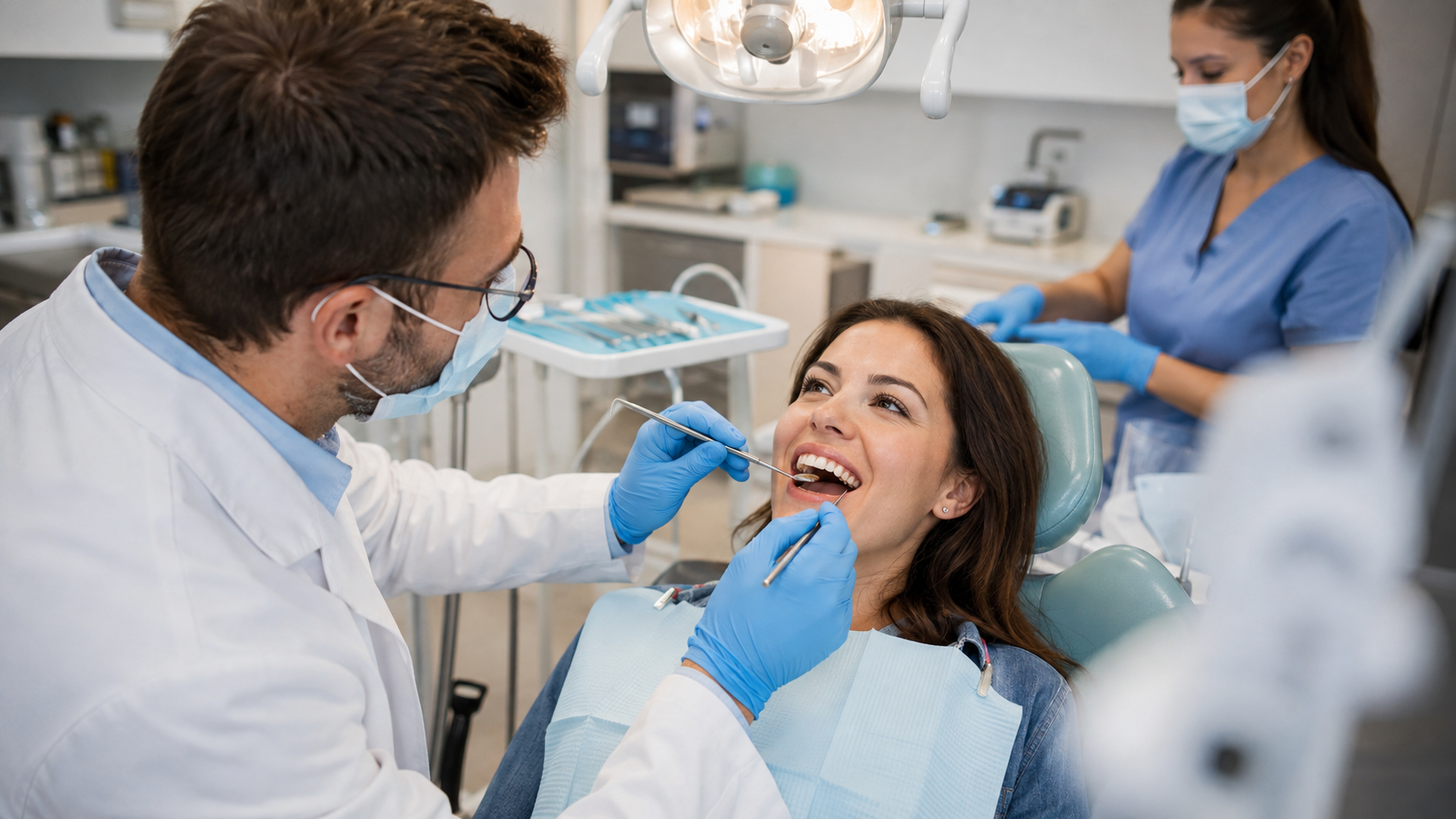
A dental crown is a custom-made covering that fits over the visible portion of a tooth. People sometimes call it a “cap.” Once secured in place, it restores the tooth’s size and shape while helping protect weakened dental structure underneath.
A crown is different from a filling. A filling replaces a smaller area damaged by decay or wear. A crown covers most or all of the visible tooth, so it may be considered when there is not enough healthy structure to support a conventional filling.
Crowns can also be used as part of other restorative treatments. For example, they may cover dental implants or support certain dental bridges. The best application depends on the condition of the teeth, gums, bite, and supporting bone.
Why Might a Dentist Recommend a Crown?
A dentist may recommend a crown when a tooth needs more coverage and protection than a filling can provide. Common reasons include:
- A large cavity that has left limited healthy tooth structure
- A cracked, chipped, or severely worn tooth
- A tooth weakened by a large existing filling
- A tooth that has received root canal treatment
- A misshapen or significantly discolored tooth
- A dental implant that needs a final visible restoration
- A tooth that will help support a dental bridge
A crown can improve appearance and function, but it does not make the natural tooth immune to future problems. Decay can still develop near the crown’s edge, and the tooth’s supporting gums and bone still require regular care.
Common Types of Dental Crowns
Crowns are available in several materials. There is no single option that is best for every patient. A dentist considers the crown’s location, the amount of chewing pressure it will receive, the available tooth structure, cosmetic preferences, and any history of grinding or clenching.
Porcelain or all-ceramic crowns
Porcelain and other ceramic materials can be matched closely to neighboring teeth. Their natural appearance often makes them a consideration for teeth that show prominently when a person smiles.
Zirconia crowns
Zirconia is a strong ceramic material that can provide a combination of durability and tooth-colored appearance. The specific type and design chosen depend on the tooth’s location and the forces placed on it.
Porcelain-fused-to-metal crowns
These crowns combine an internal metal structure with an outer porcelain surface. They can offer strength and a tooth-colored appearance, although the underlying metal may sometimes become noticeable near the gumline.
Metal and resin crowns
Metal crowns are highly durable but do not resemble natural enamel. Resin crowns may be used in certain situations, including as temporary restorations, but they generally do not offer the same long-term wear resistance as some other materials.
Carabelli Dental offers restorations intended to look and feel natural, including porcelain and porcelain-over-metal options for appropriate cases. Material selection is made after evaluating the individual tooth and discussing the patient’s priorities.
What to Expect During the Crown Process
At Carabelli Dental, fitting a dental crown generally requires at least two visits. Additional care may be necessary if the tooth has deep decay, an infection, insufficient structure, or another condition that must be addressed first.
1. Examination and treatment planning
The dentist examines the tooth, surrounding gums, and bite. Dental X-rays may be taken to evaluate areas that cannot be seen directly. This visit helps determine whether the tooth can support a crown and whether another treatment would be more appropriate.
2. Preparing the tooth
The area is numbed for comfort. The dentist removes decay or damaged material and shapes the tooth so the crown can fit securely. If substantial structure is missing, a buildup may be needed to create a stable foundation.
Patients should tell the dental team if they feel discomfort during treatment. Local anesthesia can typically be adjusted when needed.
3. Capturing the tooth’s shape
An impression or digital scan records the prepared tooth, nearby teeth, and bite. This information helps the dental laboratory create a crown with the appropriate shape and contact points.
4. Wearing a temporary crown
A temporary crown protects the prepared tooth while the final restoration is being made. Because temporary cement is designed for easier removal, patients are usually advised to avoid very sticky or hard foods and to clean carefully around the area.
5. Placing the final crown
At the next visit, the temporary crown is removed. The dentist checks the final crown’s fit, appearance, and effect on the bite before securing it in place. Minor adjustments may be made so the crowned tooth meets the opposing teeth comfortably.
Does Getting a Dental Crown Hurt?
The tooth is normally numbed during preparation, so patients may notice pressure or vibration without sharp pain. Some gum tenderness or temperature sensitivity can occur after treatment, particularly while the tooth settles following preparation and final placement.
According to the Cleveland Clinic’s dental crown guidance, a crown should not cause persistent pain. A patient should contact the dentist if discomfort is severe, interrupts sleep, worsens, or does not improve. Pain when biting may mean the crown needs a bite adjustment, while lingering sensitivity can have several possible causes that require evaluation.
Patients who feel anxious about dental care should mention it when scheduling. A dental team can explain each step, discuss comfort measures, and help determine which options are clinically appropriate.
How to Care for a New Crown
A crown cannot develop a cavity, but the natural tooth underneath it can. Daily plaque removal is therefore essential, particularly where the crown meets the gumline.
- Brush twice a day with fluoride toothpaste and a soft-bristled toothbrush.
- Clean between the teeth daily with floss or another dentist-recommended tool.
- Avoid chewing ice, hard candy, pens, or other nonfood objects.
- Do not use the teeth to open packages.
- Ask about a nightguard if grinding or clenching is a concern.
- Keep regular dental examinations and professional cleaning appointments.
When flossing around a temporary crown, a dentist may recommend sliding the floss out through the side rather than pulling upward. Patients should follow the specific instructions provided by their dental team.
How Long Do Dental Crowns Last?
Crown longevity varies. The Cleveland Clinic reports an average lifespan of approximately five to 15 years, although an individual crown may last for a shorter or longer period. Its service life depends on the material, crown location, bite forces, oral hygiene, diet, gum health, and habits such as grinding.
Even a well-made crown can eventually wear, chip, loosen, or require replacement. Regular examinations allow a dentist to monitor the crown’s edges and identify changes before they become more extensive.
What Affects the Cost of a Dental Crown?
There is no universal fee for a crown because treatment needs differ from one tooth to another. Factors that may affect the total cost include:
- The material selected for the crown
- The tooth’s location and complexity
- Whether a buildup or other preparatory treatment is needed
- Laboratory and imaging requirements
- Dental insurance benefits, deductibles, and annual limits
- Whether treatment is part of a larger restorative plan
Before beginning care, patients can request a written estimate showing the anticipated services. The team can also help explain available financial and insurance information. An estimate is not always a final guarantee of insurance payment, so patients may also want to confirm coverage directly with their plan.
When Should a Crown Be Checked?
Patients should contact a dentist if a crown feels loose, develops a chip, creates a sharp edge, or causes ongoing pain. A persistent unpleasant taste or odor near the crown can also warrant an examination.
If a crown comes off, it should be saved and the dental office contacted promptly. The patient should not use household glue to reattach it. Until the tooth can be evaluated, chewing on the opposite side may reduce irritation and help protect the exposed area.
Facial swelling, fever, difficulty swallowing, difficulty breathing, or rapidly worsening pain may indicate an urgent problem. These symptoms require prompt professional assessment, and breathing or swallowing difficulty may require emergency medical care.
Frequently Asked Questions About Dental Crowns
Can a cavity form underneath a crown?
Yes. Bacteria can reach the natural tooth near the crown’s margin, especially when plaque accumulates or the seal becomes compromised. Brushing, interdental cleaning, and routine dental visits remain important after crown placement.
Can a crowned tooth still need root canal treatment?
Yes. A crown protects the visible tooth but does not guarantee that the inner pulp will remain healthy. Deep decay, cracks, previous trauma, or inflammation may lead to root canal treatment before or after crown placement.
Can a crown be whitened?
Whitening products change the shade of natural enamel but generally do not lighten crown material. Anyone considering whitening may want to discuss treatment timing and color matching before receiving a visible crown.
Is a crown always better than a filling?
No. A filling may be appropriate when enough healthy tooth structure remains. A crown provides broader coverage but requires more tooth preparation. The dentist’s goal is to recommend an option that fits the extent of damage and the tooth’s long-term needs.
What happens if the temporary crown falls off?
The patient should contact the dental office and avoid chewing on that tooth. The prepared tooth can be sensitive, and leaving it uncovered may allow movement or damage that affects the final crown’s fit.
Can someone eat normally with a permanent crown?
Most patients return to normal chewing after the dentist’s recommended setting period and once any temporary sensitivity settles. Very hard foods and habits such as chewing ice can damage crowns as well as natural teeth.
Restore and Protect a Damaged Tooth in Roswell
A crown can be a valuable way to preserve a damaged tooth, restore comfortable function, and create a natural-looking result. The right treatment begins with a careful examination rather than a one-size-fits-all recommendation.
Patients considering dental crowns in Roswell, NM, can contact Carabelli Dental to ask questions or schedule a consultation. The team can evaluate the tooth, explain suitable materials, review comfort considerations, and provide a personalized treatment and cost estimate.