
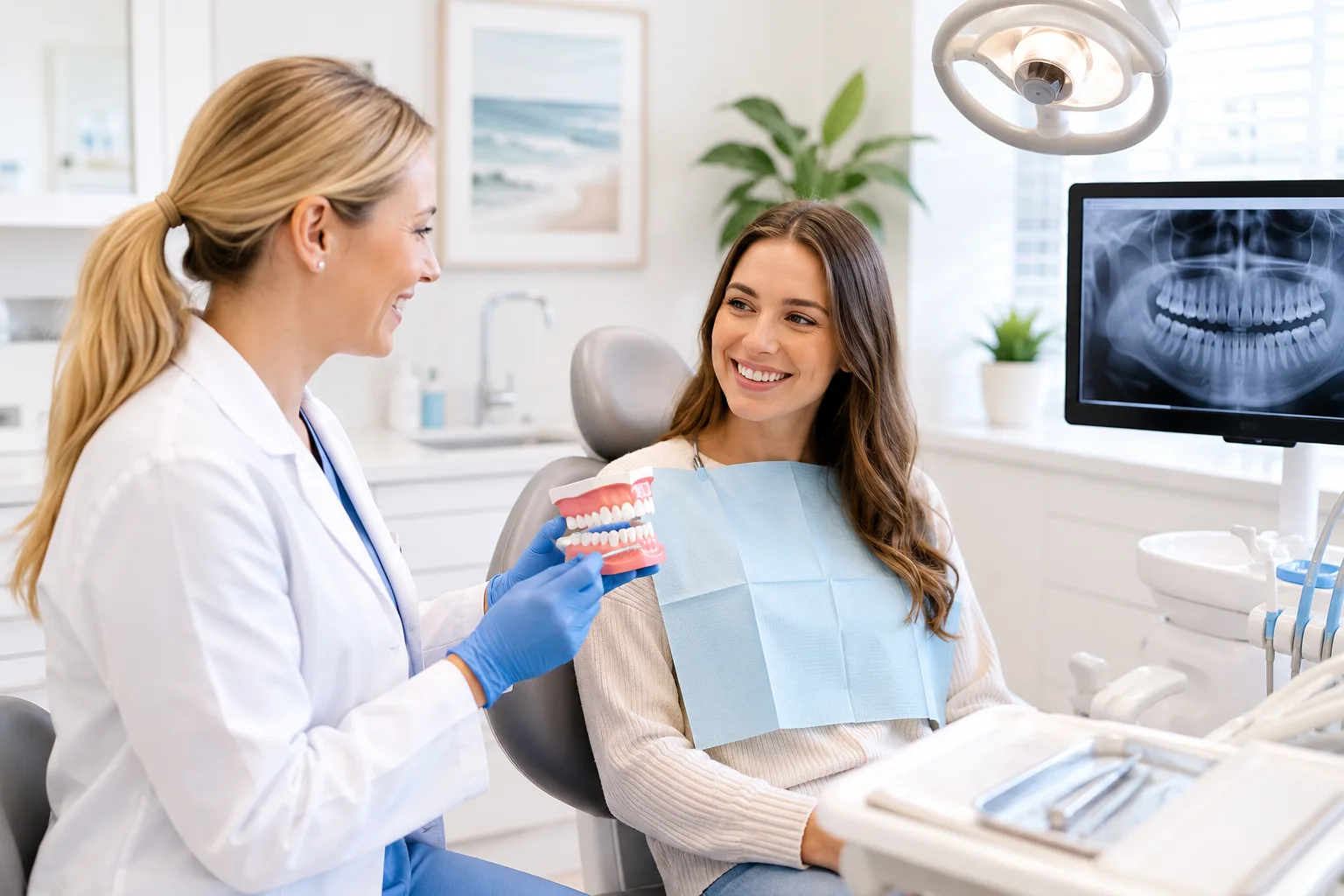
A professional dental cleaning can seem like a small appointment, but it plays an important role in maintaining a healthy, comfortable smile. It also gives the dental team an opportunity to notice changes that may be difficult to see or feel at home.
For anyone searching for a dental cleaning in Roswell, NM, knowing what to expect can make the visit feel easier. Most appointments involve a review of the patient’s health history, an evaluation of the teeth and gums, professional removal of buildup, and practical guidance for home care.
Cleanings are not identical for every patient. The right type of care depends on factors such as gum health, existing dental work, sensitivity, and how much plaque or hardened buildup is present. A dentist or dental hygienist can explain what is appropriate after evaluating the mouth.
Why Professional Dental Cleanings Matter
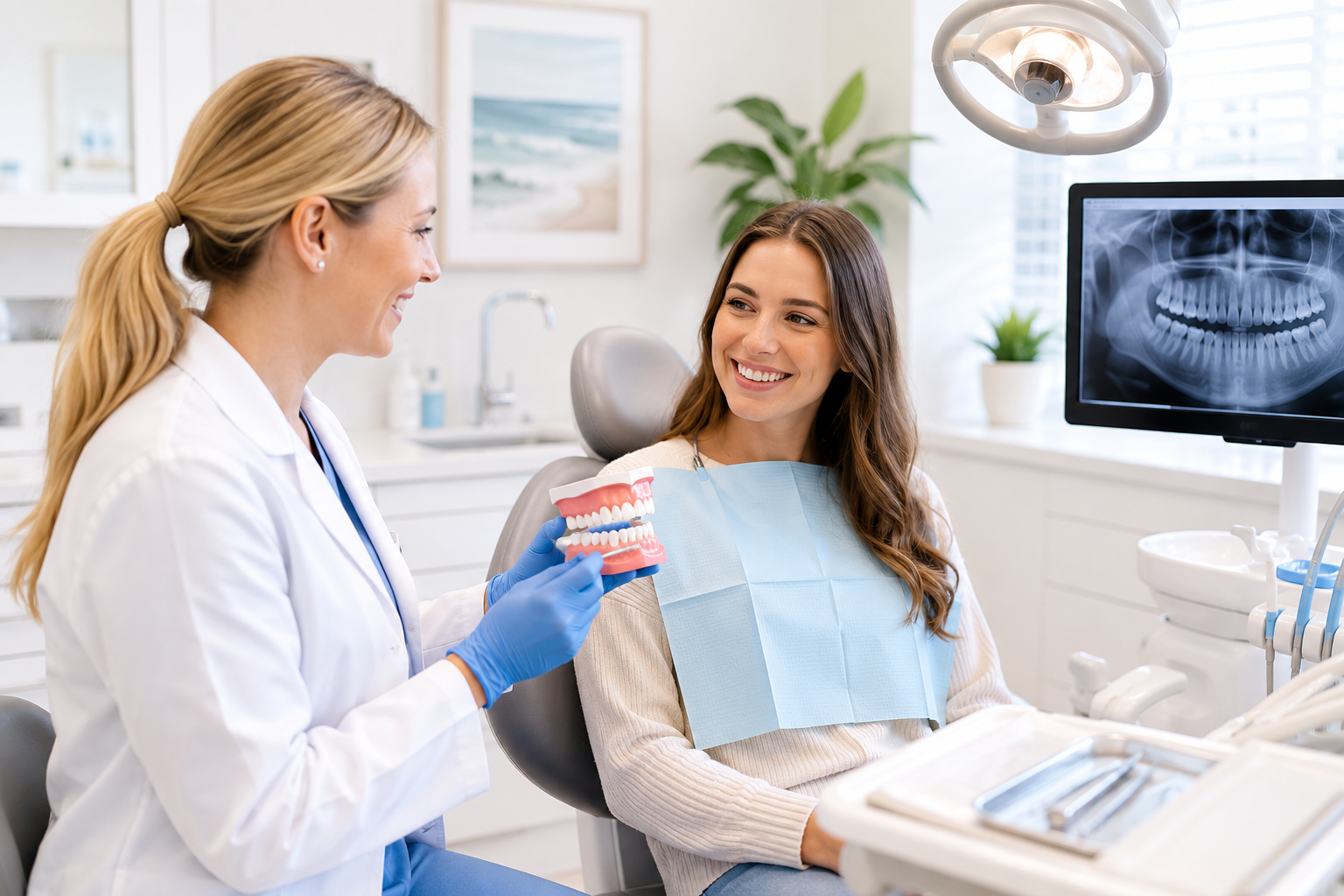
Daily brushing and cleaning between the teeth remain the foundation of good oral hygiene. Even with careful home care, however, some areas can be difficult to reach. Buildup often collects near the gumline, between crowded teeth, behind the lower front teeth, and around crowns, bridges, or other dental work.
During a professional cleaning, the dental team can remove deposits that do not come away easily with a toothbrush. The visit is also a chance to review brushing and flossing habits without judgment. Small adjustments—such as changing the angle of a toothbrush or using a different interdental tool—may make home care more effective.
A cleaning appointment may also be combined with an examination. Depending on the patient’s needs, the dentist may check the teeth, gums, bite, existing restorations, and other areas of the mouth. Dental X-rays may be recommended when clinically appropriate, but they are not necessarily required at every cleaning.
What Happens During a Dental Cleaning?
The details can vary, particularly for a new patient or someone returning after a long break. In general, a preventive appointment may include the following steps.
1. Health and dental history review
The team may ask about medications, health conditions, allergies, previous dental treatment, and current concerns. Patients should mention symptoms such as sensitivity, bleeding gums, dry mouth, jaw discomfort, or pain when chewing.
This information helps the dental team plan an appropriate and comfortable visit. Patients who feel nervous should also say so. Clear communication gives the team an opportunity to explain each step, arrange breaks, and discuss comfort options that may be suitable.
2. Evaluation of the teeth and gums
Before cleaning begins, the hygienist or dentist may inspect the mouth for visible buildup, irritated gum tissue, damaged restorations, or other areas that need attention. Gum measurements may be taken to help assess the spaces around the teeth.
This evaluation helps distinguish a routine cleaning from care intended for gum disease. If the findings suggest that a different procedure is appropriate, the dental team should explain why before moving forward.
3. Removal of plaque and hardened deposits
Hand instruments or powered instruments may be used to gently remove buildup from the tooth surfaces and around the gumline. Patients may hear scraping sounds or feel water and vibration. Those sensations are common, but the patient should speak up if an area feels painful or unusually sensitive.
The time required depends on the amount and location of buildup, the condition of the gums, and the patient’s comfort needs. Someone who receives regular preventive care may have a different experience from a person who has not visited a dentist for several years.
4. Polishing and cleaning between the teeth
Polishing may be used to remove certain surface stains and leave the teeth feeling smooth. The hygienist may also floss or use another tool between the teeth to clear remaining debris and identify areas where home cleaning is difficult.
5. Personalized home-care guidance
A helpful cleaning should end with clear, practical recommendations. The dental team may demonstrate brushing techniques, discuss cleaning between the teeth, or suggest products based on the patient’s needs. Recommendations should be individualized rather than treated as a one-size-fits-all routine.
Routine Cleaning vs. Deep Teeth Cleaning
A routine cleaning and a deep cleaning are not simply longer and shorter versions of the same appointment. They are recommended for different clinical situations.
Routine preventive cleaning
A routine cleaning generally focuses on removing plaque, hardened deposits, and surface stains as part of ongoing preventive care. It is commonly appropriate when the supporting gum tissues do not require active periodontal treatment.
Deep cleaning
A deep cleaning, often described as scaling and root planing, may be recommended when an evaluation identifies signs of periodontal gum disease. Treatment focuses on deposits below the gumline and the root surfaces of affected teeth. Depending on the patient’s needs, care may be divided into more than one visit, and comfort measures can be discussed beforehand.
Carabelli Dental provides information about deep teeth cleaning in Roswell for patients who need periodontal care. Only an examination can determine whether a routine cleaning, deep cleaning, or another approach is appropriate.
After treatment for gum disease, some patients may receive a customized periodontal maintenance plan rather than returning immediately to a standard preventive schedule. The timing and type of follow-up care depend on the patient’s clinical findings and response to treatment.
Does a Dental Cleaning Hurt?
Many people experience little more than pressure, vibration, or mild tenderness during a routine cleaning. Comfort can vary, however. Inflamed gums, exposed root surfaces, heavy buildup, sensitive teeth, and dental anxiety may make certain areas feel more uncomfortable.
Patients do not need to stay silent through discomfort. They can ask the hygienist to slow down, explain what is happening, adjust the instrument, or pause for a break. It may also help to agree on a hand signal before treatment begins.
Some tenderness or temperature sensitivity can occur after a cleaning, particularly when the gums were already irritated. Persistent pain, increasing swelling, ongoing bleeding, or another concerning change should be reported to the dental office for individualized guidance.
How Often Should Teeth Be Professionally Cleaned?
There is no ideal schedule that applies to every person. The appropriate interval depends on gum health, cavity risk, home-care effectiveness, medical history, tobacco use, previous periodontal treatment, and other individual factors.
Some patients do well with a standard preventive schedule, while others benefit from more frequent maintenance. The dentist or hygienist can recommend timing after reviewing the patient’s current oral health rather than relying only on a general calendar rule.
How to Prepare for a Dental Cleaning
A little preparation can help the visit run smoothly:
- Bring an updated medication list. Include prescription medications, over-the-counter products, and relevant allergies.
- Share current symptoms. Mention bleeding, sensitivity, sores, swelling, dry mouth, or discomfort when biting.
- Explain previous difficult experiences. This helps the team understand anxiety, sensitivity, or specific comfort concerns.
- Bring insurance information. Patients can also ask about expected charges and payment arrangements before treatment.
- Continue normal oral hygiene. There is no need to brush aggressively before the appointment.
- Write down questions. A short list makes it easier to remember concerns during the visit.
Patients with a medical condition that may affect dental treatment should contact the office before the appointment if they are unsure whether special instructions apply. They should not stop prescribed medication unless the prescribing clinician specifically advises them to do so.
What to Expect After the Appointment
After a routine cleaning, most patients can return to their usual activities. The teeth may feel smoother, and the gums may feel mildly tender if buildup or inflammation was present. The dental team may provide specific instructions based on what was found during the visit.
Home care remains important after professional treatment. Gentle brushing with a soft-bristled toothbrush and regular cleaning between the teeth can help maintain the results. If a patient received fluoride or another in-office product, the dental team may provide temporary eating or drinking instructions.
Deep cleaning and periodontal treatment may involve different aftercare. Patients should follow the instructions provided by their dentist and call the office if they develop symptoms that feel severe, unexpected, or progressively worse.
Questions to Ask Before Booking a Cleaning
Patients can feel more confident by asking a few practical questions in advance:
- Will the first visit include both an examination and cleaning?
- Will dental X-rays be considered, and how will that decision be made?
- What should a patient bring to the appointment?
- How does the office help patients with sensitivity or dental anxiety?
- Can the office review insurance and estimated out-of-pocket costs?
- What happens if the examination shows that a deep cleaning is needed?
The exact cost of a cleaning can vary according to the examination findings, necessary imaging, insurance benefits, and the type of cleaning recommended. Carabelli Dental’s financial and insurance information offers a starting point, and the office can answer questions about individual arrangements.
Frequently Asked Questions
Can a person get a cleaning if their gums bleed?
Bleeding gums should be discussed with a dental professional rather than ignored. A dentist or hygienist can evaluate possible causes and determine whether a routine cleaning or periodontal care is more appropriate. Patients should seek prompt guidance if bleeding is heavy, unexplained, or accompanied by swelling or significant pain.
Should someone brush before a dental cleaning?
Normal brushing before the visit is fine, but aggressive brushing is unnecessary and may irritate the gums. The dental team expects to clean the teeth and will not judge a patient for having buildup.
Can stains be removed during a cleaning?
Polishing may reduce some external surface stains. It will not change the natural internal color of the teeth, and not every type of discoloration responds to cleaning. A dentist can explain whether a stain appears to need cleaning, cosmetic care, or further evaluation.
What if a patient has not visited a dentist in years?
It is still worthwhile to schedule an evaluation. The first appointment may involve gathering records, assessing the teeth and gums, and developing a step-by-step plan. Depending on the findings, the cleaning might be completed that day or scheduled separately. A supportive dental office should focus on helping the patient move forward rather than judging the past.
Is a dental examination the same as a cleaning?
No. A cleaning removes deposits and helps maintain oral hygiene, while an examination evaluates the condition of the mouth and identifies areas that may need monitoring or treatment. The two services are often completed during the same visit, but each serves a different purpose.
Can children receive professional dental cleanings?
Children can receive preventive dental care, but the visit should be tailored to the child’s age, development, comfort, and oral health needs. A parent or guardian can ask the dental office what to expect and whether any records are needed.
Schedule a Dental Cleaning in Roswell, NM
Preventive visits can help patients understand their oral health and address concerns before they become more complicated. Whether someone is due for routine care, experiencing sensitivity, or returning after time away, the first step is a conversation with a dental professional.
Carabelli Dental provides comprehensive dental care for the Roswell, NM community with an emphasis on personalized attention and patient comfort. To ask questions or request an appointment, visit Carabelli Dental or call (575) 622-4455. The team can help determine the appropriate next step based on each patient’s needs.